Search this site
15 results found with an empty search
- How to Choose Running Shoes Without Being Fooled by the Price Tag
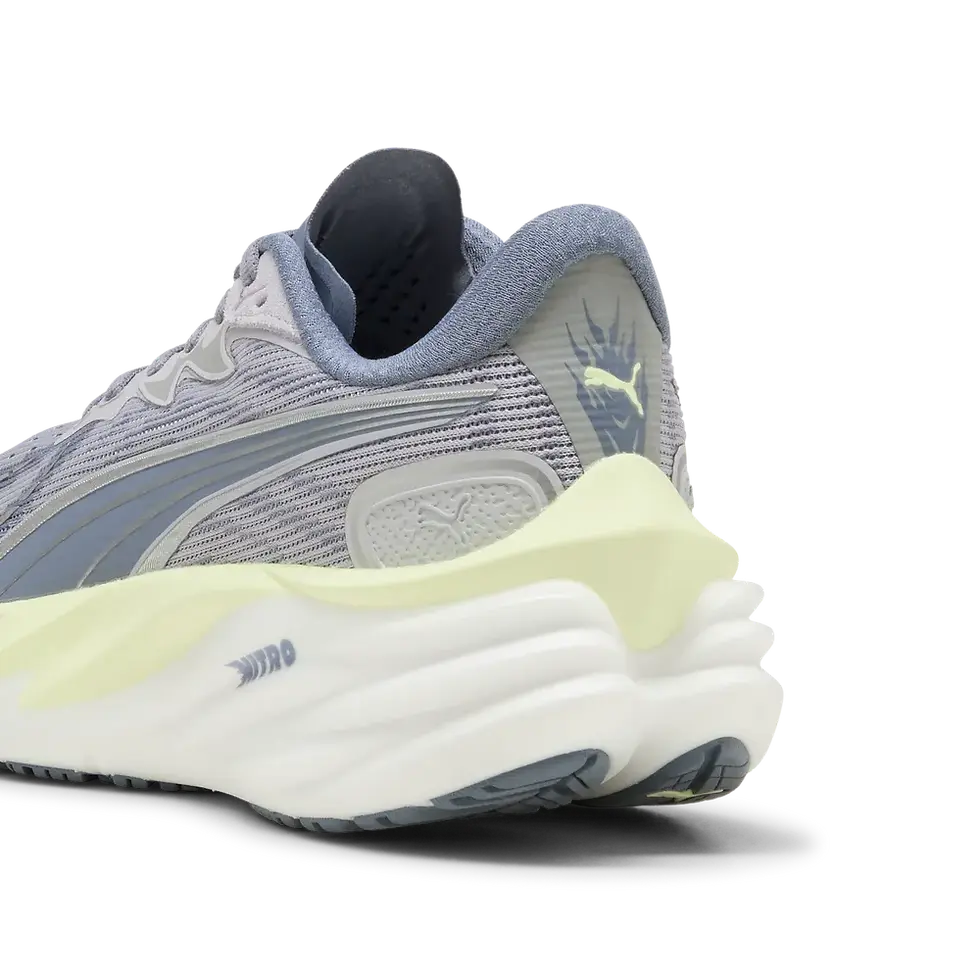
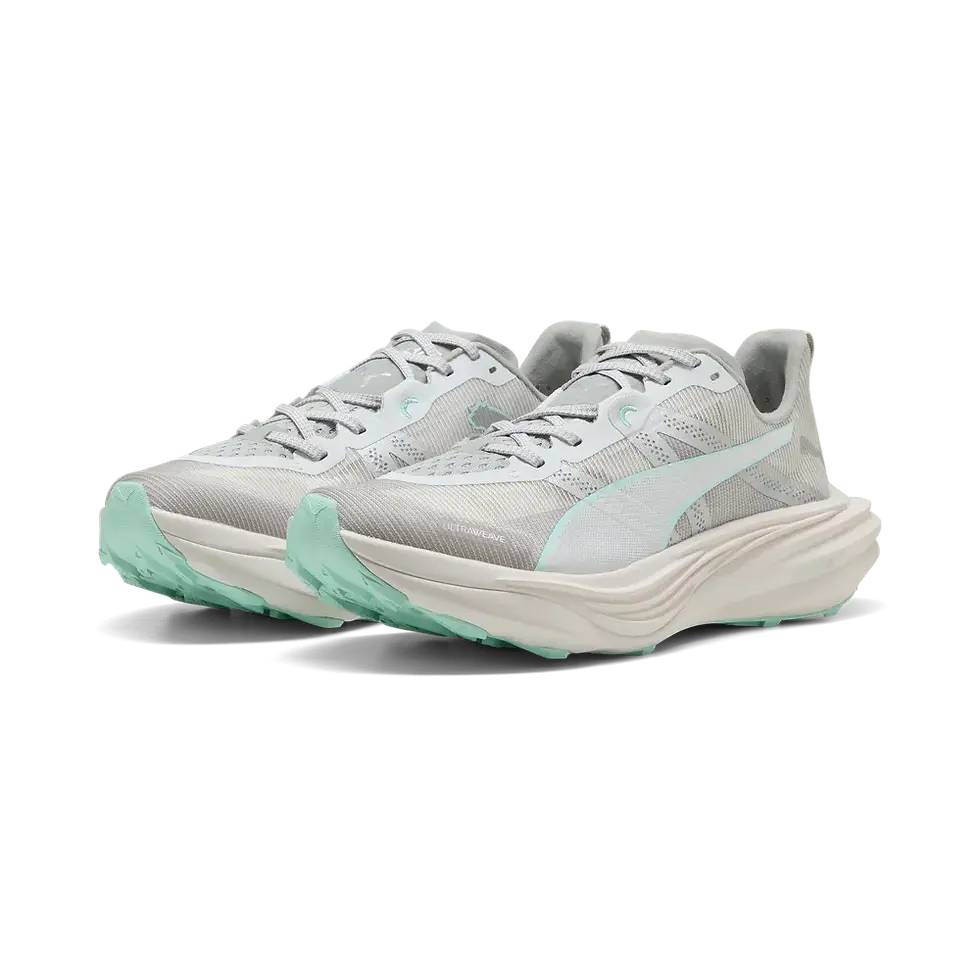
Running shoes are one of those products where the price range can make you feel like there must be one obvious hierarchy: cheap, good, better, best. Real life is messier. A brilliant race shoe can be a poor everyday choice. A simple daily trainer can be exactly what a new runner needs. Start with your running How far do you normally run? How often do you run? Are you training, racing or both? Road or trail? Easy kilometres or speed sessions? Those answers narrow the field much faster than asking for 'the best running shoe'. Fit beats hype A shoe can have world-class technology and still be wrong for your foot. Pay attention to heel security, width, toe room and any pressure points. Do not assume your size is identical across every model either. Fit can shift even within the same brand. The best shoe on paper is useless if your feet hate it. More cushioning is not automatically better Some runners love a soft, highly cushioned ride. Others prefer something firmer and more connected to the ground. Both preferences are valid. Daily trainer or race shoe? If you are buying one pair, versatility matters. A daily trainer is designed to handle regular kilometres. A race-focused shoe may prioritise speed and efficiency more aggressively. As your running develops, owning different shoes for different jobs can make sense. It is not a requirement on day one. The Pack Life take Do not ask which running shoe is best. Ask which one is best for the running you actually do. That question is far more useful — and usually cheaper. If your current runners are done Use the checklist above while you browse the running range. The useful question is not ‘what’s the most expensive shoe?’ — it’s ‘what suits how I actually run?’
- The Pack Life Gym Bag Checklist: What You Need, What’s Useful and What Can Stay at Home
There are two kinds of gym bags: the one with exactly what you need, and the one containing three old receipts, a mystery sock and a shaker you are afraid to open. The goal is the first one. The essentials Training shoes that suit the session. Clean training clothes. Socks — keep a spare pair in the bag. A water bottle. A towel if your gym requires one. The useful extras Headphones. A small toiletry kit if you train before or during work. A change of clothing. A resistance band if your programme uses one. A snack or shake if it makes the rest of your day easier. Good gym gear removes friction. That is the job. Sport-specific bits Running Add the things your route actually needs: suitable socks, sun protection, a cap or a small belt if you carry a phone and keys. HYROX Race-tested shoes, familiar socks and any gloves or grips you genuinely use in training. Race day is not the time for experiments. Padel Racket, court shoes, balls if needed and any grip accessories you actually use. Forgetting the racket is unfortunately difficult to compensate for with confidence. What can stay at home Seven supplements, three pairs of shoes for one ordinary session, an enormous bottle you hate carrying, and anything you have packed for six months without touching. The Pack Life take Keep one small emergency kit permanently packed with a shirt, shorts, socks and basic toiletries. Future-you will eventually be very grateful. If your gym bag needs a reset Build it around the sessions you actually do. Browse training gear for the basics, or the apparel range if the missing piece is clothing rather than another gadget at the bottom of the bag.
- Whey Protein vs Whey Isolate: What’s the Difference and Which Should You Buy?
Protein shopping gets confusing very quickly. One tub says isolate. Another says concentrate. One promises lean muscle. Another looks like it was designed by NASA. The useful question is much simpler: what are you actually getting per serving, and does it suit the way you eat and train? First, they are both whey protein Whey comes from milk and naturally contains all of the essential amino acids. Both concentrate and isolate can provide high-quality protein. The difference is mainly in how much processing has happened and what remains alongside the protein. Whey concentrate Concentrate usually keeps a little more carbohydrate, fat and lactose. It is often the better-value everyday choice if you tolerate dairy well and simply need help reaching your protein target. Whey isolate Isolate goes through more processing, usually leaving a higher percentage of protein with less fat, carbohydrate and lactose. That can make sense if you are watching calories closely or if lower lactose suits you better. Isolate is not automatically 'better'. It is simply a different version of the same useful tool. Will isolate build more muscle? Not because the word isolate is printed on the front. Muscle gain still comes down to resistance training, enough total protein, enough food for your goal, recovery and time. If two people hit an appropriate daily protein intake and train well, the one using the more expensive tub does not automatically win. How we would choose Choose concentrate if value and convenience are your main priorities. Consider isolate if you want lower lactose or a leaner macro profile. Compare protein per serving and servings per tub. Ignore front-label hype until you have read the nutrition panel. The Pack Life take Buy the protein that fits your real life. If a shake makes it easier to stay consistent, that is already doing its job. You do not need the fanciest tub in the room. You need something you enjoy, tolerate and can keep using without resenting the price. If you’re standing in front of two tubs Use the principles above, then browse the current protein and supplement range. A useful real-world comparison point is MuscleTech Iso Whey - 907g — compare protein per serving, ingredients and price per serving rather than just the front label.
- Creatine Monohydrate: What It Actually Does, Who It’s For and Whether You Need It
If you spend enough time around a gym, somebody will eventually tell you a very confident story about creatine. It makes you huge. It ruins your kidneys. You have to cycle it. You need to load it. You should only take it if you are serious. Most of that noise makes a simple supplement feel far more complicated than it needs to be. Creatine is not magic. It is one of the better-researched tools we have for repeated high-intensity training — and that is exactly why it is worth understanding properly. So what does creatine actually do? Your muscles use ATP for short bursts of hard work. Think heavy sets, sprints, jumps and repeated high-output efforts. Creatine helps increase the amount of phosphocreatine stored in muscle, which helps your body regenerate ATP during those efforts. In plain English: it can help you produce a little more quality work when the session gets hard. Over time, that extra work can support strength and muscle gains when it is paired with proper resistance training. What it does not do It does not replace training. It does not make a weak programme good. And it does not turn a poor diet into a muscle-building plan. You may see the scale move up slightly when you start taking it because creatine increases water stored inside muscle. That is not the same thing as gaining body fat. Do you need a loading phase? No. Loading is simply a faster way to saturate muscle creatine stores. Taking a consistent daily amount gets you there too — it just takes longer. For most of us, the boring answer is the useful one: consistency matters more than trying to time the perfect scoop. Which type should you look for? Creatine monohydrate remains the sensible benchmark. There are plenty of newer-sounding forms on shelves, but a more complicated name does not automatically mean a better result. Check the form of creatine on the label. Look at grams per serving, not the size of the tub. Compare cost per serving. Choose something you can take consistently. The Pack Life take If you train consistently and your goal includes strength, repeated high-intensity performance or building muscle, creatine monohydrate is one of the few supplements genuinely worth learning about. No drama. No miracle promises. Just a useful tool that still expects you to do the work. If you’re thinking of trying creatine Start by browsing the current supplement range. If you want a real label to compare with what you’ve just read, look at MuscleTech Platinum 100% Creatine Monohydrate Powder Unflavoured - 400g and check the serving size, ingredient list and cost per serving before deciding.
- Pre-Workout Explained: What It Does, What to Look For and Who Actually Needs It
There is a very specific gym ritual that has become completely normal: scoop, shake, tingling face, headphones on, suddenly the dumbbells owe you money. Pre-workout can absolutely have a place. But it helps to know what you are actually buying before deciding that more stimulants must mean more performance. Pre-workout is a category, not one ingredient Different formulas use different combinations of ingredients aimed at alertness, endurance, blood flow, power or perceived energy. Two products with the same words on the front can be very different on the back. Caffeine is usually the first thing to check Caffeine has good evidence behind it for several types of exercise performance. It can improve alertness and may support endurance, strength and high-intensity work in some people. But caffeine is still caffeine. Your coffee, energy drink and afternoon pick-me-up all count toward the same day. If your pre-workout is fixing five hours of sleep every day, the supplement is not the real problem. What about the tingles? Beta-alanine can cause a tingling sensation called paraesthesia. It can feel intense, especially if you are new to it. The sensation itself is not proof that the product is more effective. Who might actually enjoy using one? Early-morning trainers who tolerate caffeine well. People training after a long workday. Athletes who like a repeatable pre-session routine. Anyone who has read the label and knows how much stimulant they are taking. Who should slow down? If you train late, are very caffeine-sensitive, feel anxious or jittery on stimulants, or already consume plenty of caffeine, a high-stim formula may be more trouble than it is worth. The Pack Life take Pre-workout is optional. A good session still exists without neon powder. If you use one, choose it because the formula fits you — not because the label looks aggressive. If you’re shopping for pre-workout Don’t start with the loudest tub. Browse the current supplement range and, if you want an example to read properly, check MuscleTech Vapor X5 Next Gen Pre-Workout against the ingredient and caffeine points above.
- Your First HYROX: What You Actually Need — and What You Don’t
Your first HYROX already gives you enough to think about. Eight kilometres of running, sleds, burpees, rowing, carries, lunges and wall balls are plenty without adding a wardrobe crisis. The goal with your kit is simple: nothing should surprise you on race day. Start with the shoes HYROX lives between running and functional training. Your shoes need to be comfortable enough to run in and stable enough for the stations. Grip matters on sled work. Fit matters when your feet swell. Stability matters when you are tired. And none of those things should be discovered for the first time at the event. Nothing new on race day is not glamorous advice. It is very good advice. Wear clothing you forget about The best race kit is often the kit you stop noticing. Your shorts should stay where they belong. Your top should move with you. Your sports bra should support the impact. Your socks should already have survived hard sessions. What you actually need Race-tested shoes. A familiar top and shorts or tights. Socks you trust. Any grip or gloves only if you have trained with them. A nutrition and hydration plan you have already tested. What you do not need A completely new outfit, a huge supplement stack or five gadgets strapped to your body because everybody else has one. Race day nerves are normal. Your equipment should be the predictable part. The Pack Life take Train in the kit you plan to race in. By the time you stand on that start line, your shoes and clothing should already feel like old friends. If HYROX is actually on the calendar Build the kit around what you’ll really train in. Start with the HYROX collection, then compare it with the running range if footwear is the part you’re still figuring out.
- What Should You Actually Wear to the Gym?
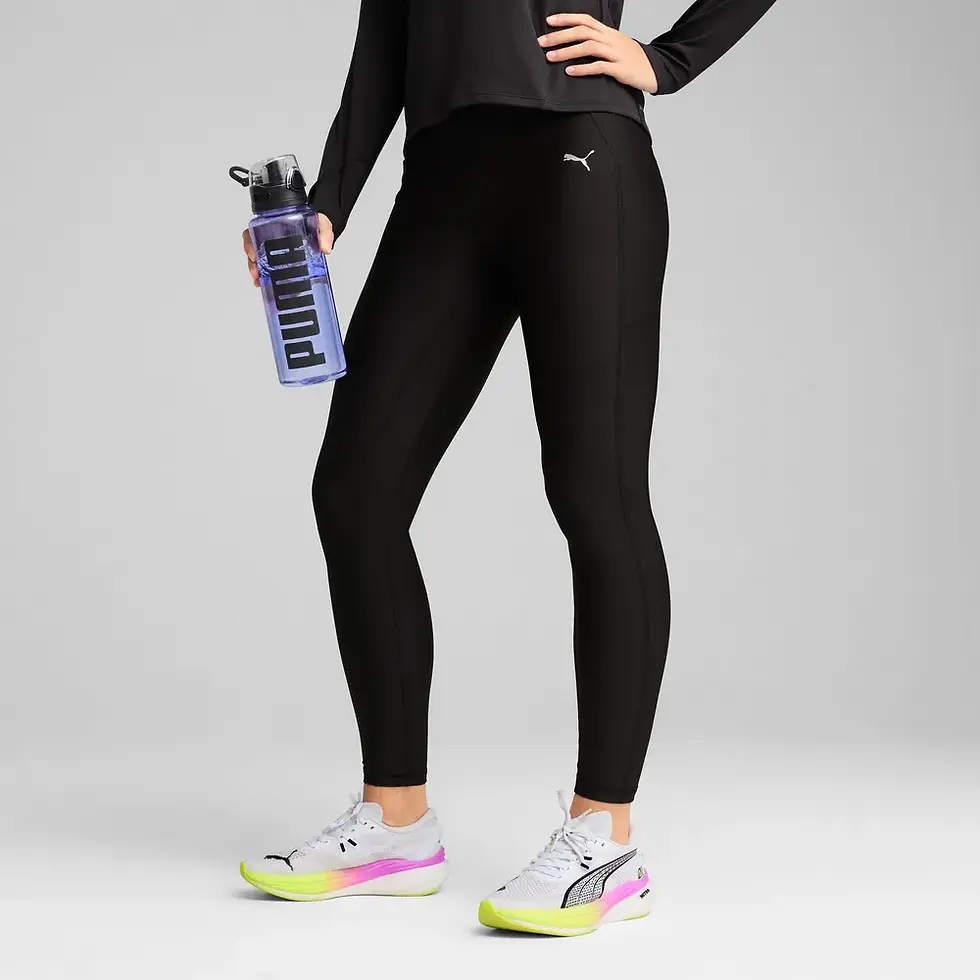
Gym clothes do not need to turn you into a different person. They just need to let you move, sweat and get through a session without constantly adjusting something. Looking good matters too. Feeling confident can genuinely make showing up easier. But function gets first choice. Try the movement, not just the mirror A pair of shorts can look perfect while you are standing still and become a problem the second you squat. The same goes for tights, tops and sports bras. Before deciding something fits, move in it. Squat. Lunge. Reach overhead. Bend down. If you are shopping for running kit, jog a few steps if you can. Fabric changes how a session feels Technical training fabrics are often designed to manage sweat and stretch with movement. That can make high-output sessions more comfortable than heavy everyday cotton. That does not mean cotton is banned from the gym. It simply means you should match the clothing to the type of training you enjoy. Good gym clothing should disappear into the session. If you keep thinking about it, something is probably off. A simple starter wardrobe Two or three training tops. Two or three pairs of shorts or tights. Appropriate sports bras where needed. Good socks. Shoes that suit your training. One layer for warm-ups or cooler days. Fit is personal Oversized tees, fitted tops, short shorts, joggers and tights can all work. There is no official gym uniform. Choose the style that makes you comfortable enough to focus on training. The Pack Life take Wear what helps you move well and feel like yourself. The best kit is the kit you reach for again next week. If you’re rebuilding the gym drawer Start with pieces you’ll actually reach for. Browse training gear or the wider apparel range and choose around fit, movement and repeat wear — not just how it looks on a hanger.
- Creatine Myths: 7 Things You’ve Probably Heard at the Gym That Need Context
Creatine may be one of the most researched sports supplements around, yet somehow the gym rumour mill still gives it a new personality every few months. So rather than treating this like an argument, let us clear up the common stuff quickly. Myth 1: Creatine is a steroid It is not. Creatine and anabolic steroids are different substances with different mechanisms. Creatine is naturally present in your body and also found in foods such as meat and fish. Myth 2: The weight gain is fat Creatine can increase water stored inside muscle, especially when your stores are increasing. A small jump on the scale does not automatically mean you gained body fat. Myth 3: You have to load it Loading can saturate your stores faster. It is not compulsory. A consistent daily intake gets you there too. Myth 4: You have to cycle off There is no universal rule saying healthy adults using creatine for training must cycle it on and off. Myth 5: A newer form must be better Creatine monohydrate remains the sensible benchmark. Novel branding is not the same thing as stronger evidence. Myth 6: More gives you more results This is one of those gym ideas that sounds logical until you remember how biology works. Once you are using an appropriate amount consistently, turning the scoop into a competition is not a performance strategy. Creatine deserves neither fear nor worship. It is a tool. The Pack Life take Understand why you are taking it, use it consistently if it suits your goals, and then put your attention back where it belongs: your training. If the myths didn’t scare you off You can browse the current supplement range or compare a straightforward option like MuscleTech Platinum 100% Creatine Monohydrate Powder Unflavoured - 400g. Keep the decision boring: ingredient, serving, consistency.
- Running Shoes vs Training Shoes: Yes, There Is a Difference
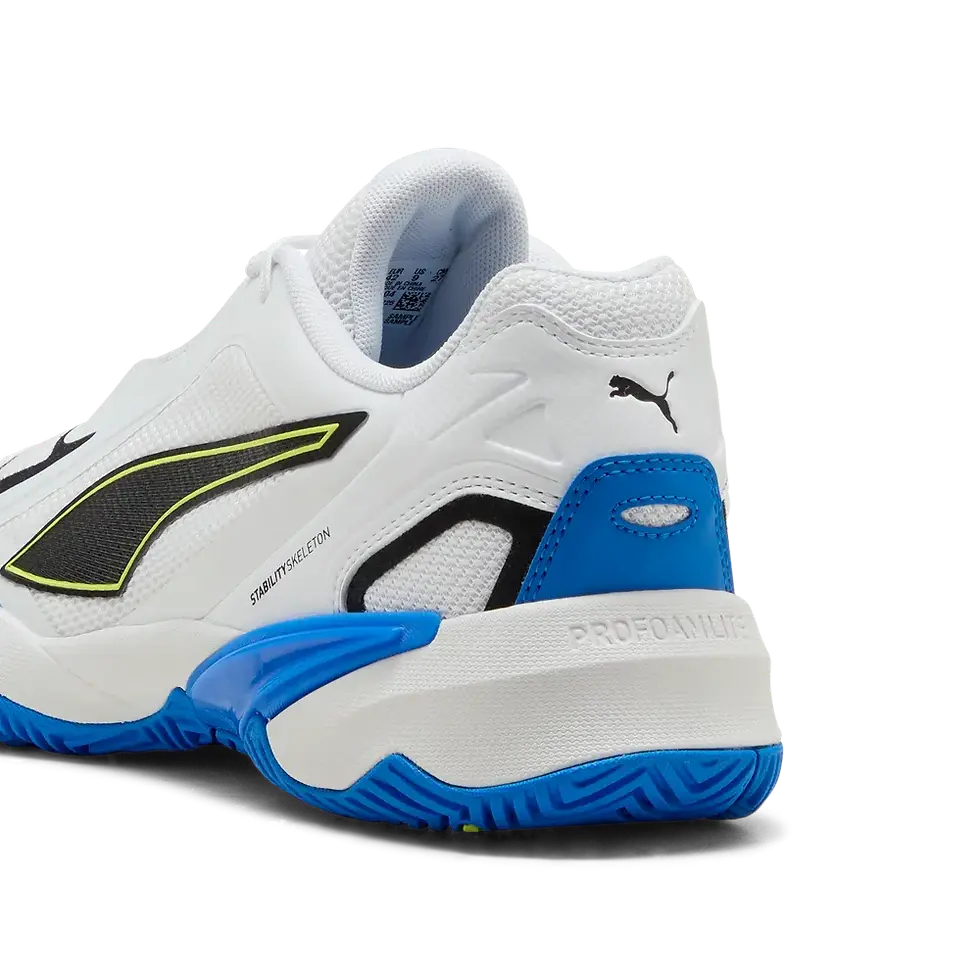
If you are new to training, athletic shoes can all look like variations of the same thing. Foam underneath, laces on top, logo on the side. Surely one pair can do everything? It can. The better question is whether it does everything well. Running asks for repeated forward movement Running shoes are designed around thousands of repeated steps. Cushioning, smooth forward transition, weight and impact management tend to matter a lot. Within that category there are still huge differences between daily trainers, race shoes and trail shoes. Gym training asks for stability and direction changes A mixed gym session may include squats, lunges, sleds, jumps, short sprints and lateral movement. That creates a different set of demands. A very soft running shoe can feel lovely on a treadmill and far less convincing under a heavy squat or when you change direction quickly. The best shoe is not the one with the most technology. It is the one designed for the thing you are about to do. Where HYROX makes things interesting HYROX blends running with functional stations, so your footwear has to compromise well. You need enough running comfort without giving up the grip and stability you want for sleds, lunges and repeated transitions. Ask these before you buy What movement takes up most of my session? Am I running longer distances or just warming up? Do I lift heavy? Do I move laterally? Do I need one versatile pair or separate shoes for separate jobs? The Pack Life take Choose footwear from the workout backwards. Style still matters — we are not pretending it does not — but function should win the first round. If you’re choosing your next pair Match the shoe to the job first: browse running gear for forward mileage, or training gear for lifting, classes and more lateral movement.
- The Beginner’s Guide to Gym Supplements: What’s Worth Understanding Before You Spend Money
Starting gym can make you feel weirdly under-equipped. Suddenly everybody has a shaker, a tub, a pill box, a belt, straps, sleeves and an opinion about what you are missing. You are allowed to start much simpler than that. Build the routine before the stack The biggest gains available to a beginner are usually not hidden in a supplement aisle. They are in showing up consistently, learning the movements, eating enough of the right food and sleeping properly. A supplement should solve a real problem in your routine. It should not create a new hobby of buying tubs. Protein: useful when food gets inconvenient Protein powder can make it easier to reach an appropriate daily intake. That is the job. If your meals already cover your protein needs comfortably, you are not failing by skipping the shake. Creatine: worth understanding Creatine monohydrate has a strong research base for high-intensity exercise and resistance training. If you are looking for one performance supplement to actually learn about, this is a sensible place to start. Pre-workout: completely optional Pre-workout can be convenient and enjoyable, especially if caffeine works well for you. It is still optional, and it should never become your answer to chronic poor sleep. A simple beginner order of importance A realistic training plan. Enough food for your goal. Adequate protein. Sleep and recovery. Creatine if it suits you. Optional extras such as pre-workout when there is a clear reason. The Pack Life take Do not let the fitness industry make starting feel expensive. You can make enormous progress with a good programme, ordinary food, decent sleep and patience. Add products when they earn their place in your routine. If you want to keep the stack simple You do not need ten tubs. Start with the current supplement range, then compare a straightforward protein option like MuscleTech Iso Whey - 907g and a simple creatine option like MuscleTech Platinum 100% Creatine Monohydrate Powder Unflavoured - 400g. Buy for an actual gap, not because the shelf looks empty.