Search this site
952 results found with an empty search


Blog Posts (15)
- How to Choose Running Shoes Without Being Fooled by the Price Tag
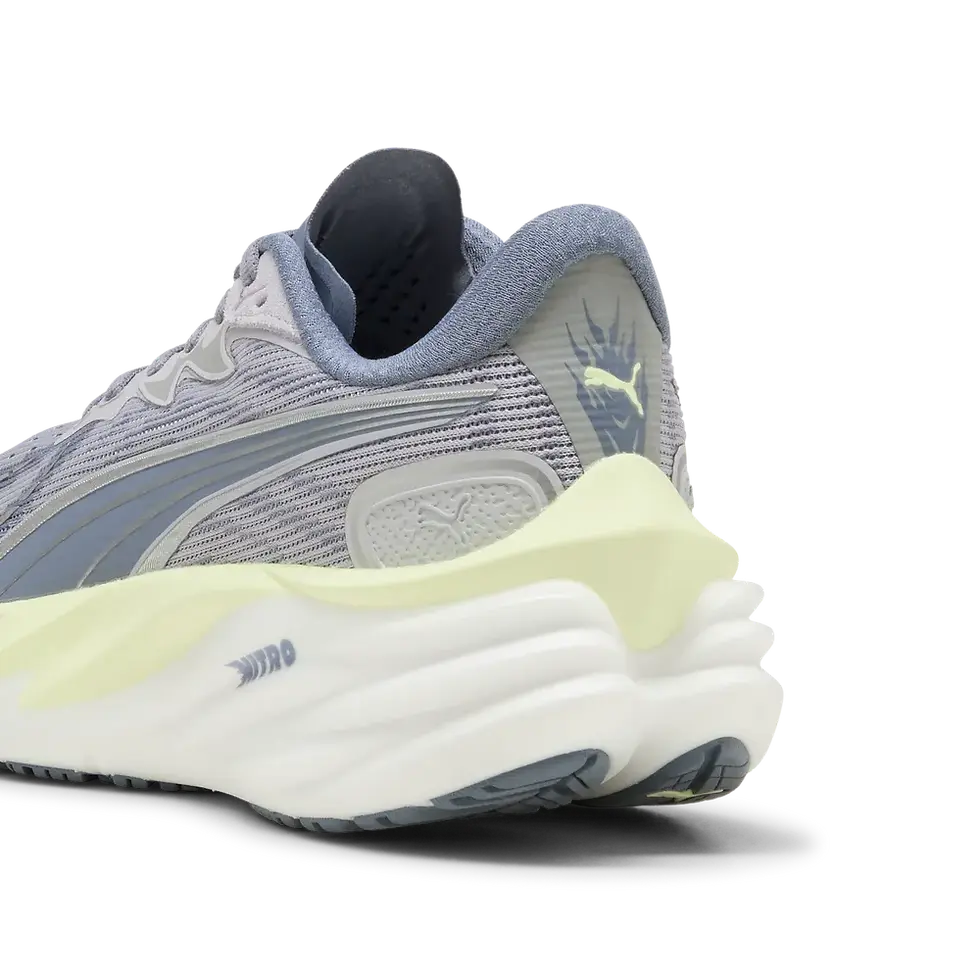
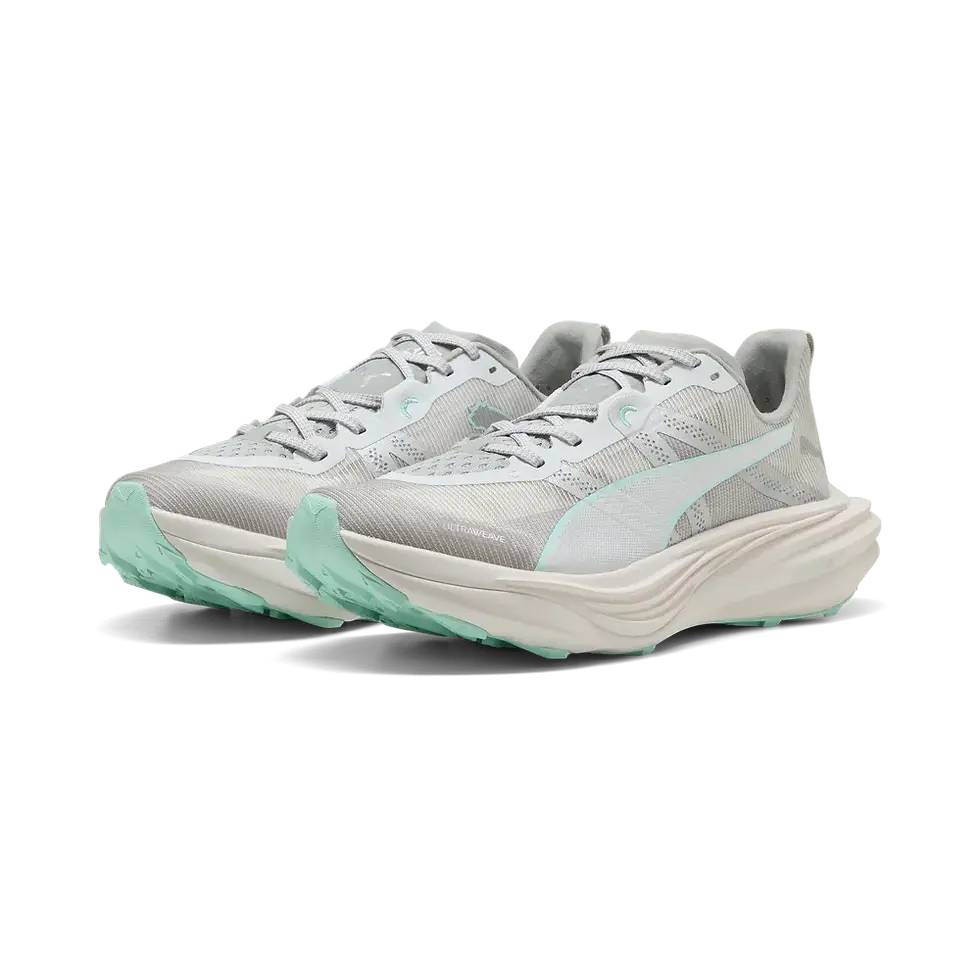
Running shoes are one of those products where the price range can make you feel like there must be one obvious hierarchy: cheap, good, better, best. Real life is messier. A brilliant race shoe can be a poor everyday choice. A simple daily trainer can be exactly what a new runner needs. Start with your running How far do you normally run? How often do you run? Are you training, racing or both? Road or trail? Easy kilometres or speed sessions? Those answers narrow the field much faster than asking for 'the best running shoe'. Fit beats hype A shoe can have world-class technology and still be wrong for your foot. Pay attention to heel security, width, toe room and any pressure points. Do not assume your size is identical across every model either. Fit can shift even within the same brand. The best shoe on paper is useless if your feet hate it. More cushioning is not automatically better Some runners love a soft, highly cushioned ride. Others prefer something firmer and more connected to the ground. Both preferences are valid. Daily trainer or race shoe? If you are buying one pair, versatility matters. A daily trainer is designed to handle regular kilometres. A race-focused shoe may prioritise speed and efficiency more aggressively. As your running develops, owning different shoes for different jobs can make sense. It is not a requirement on day one. The Pack Life take Do not ask which running shoe is best. Ask which one is best for the running you actually do. That question is far more useful — and usually cheaper. If your current runners are done Use the checklist above while you browse the running range. The useful question is not ‘what’s the most expensive shoe?’ — it’s ‘what suits how I actually run?’
- The Pack Life Gym Bag Checklist: What You Need, What’s Useful and What Can Stay at Home
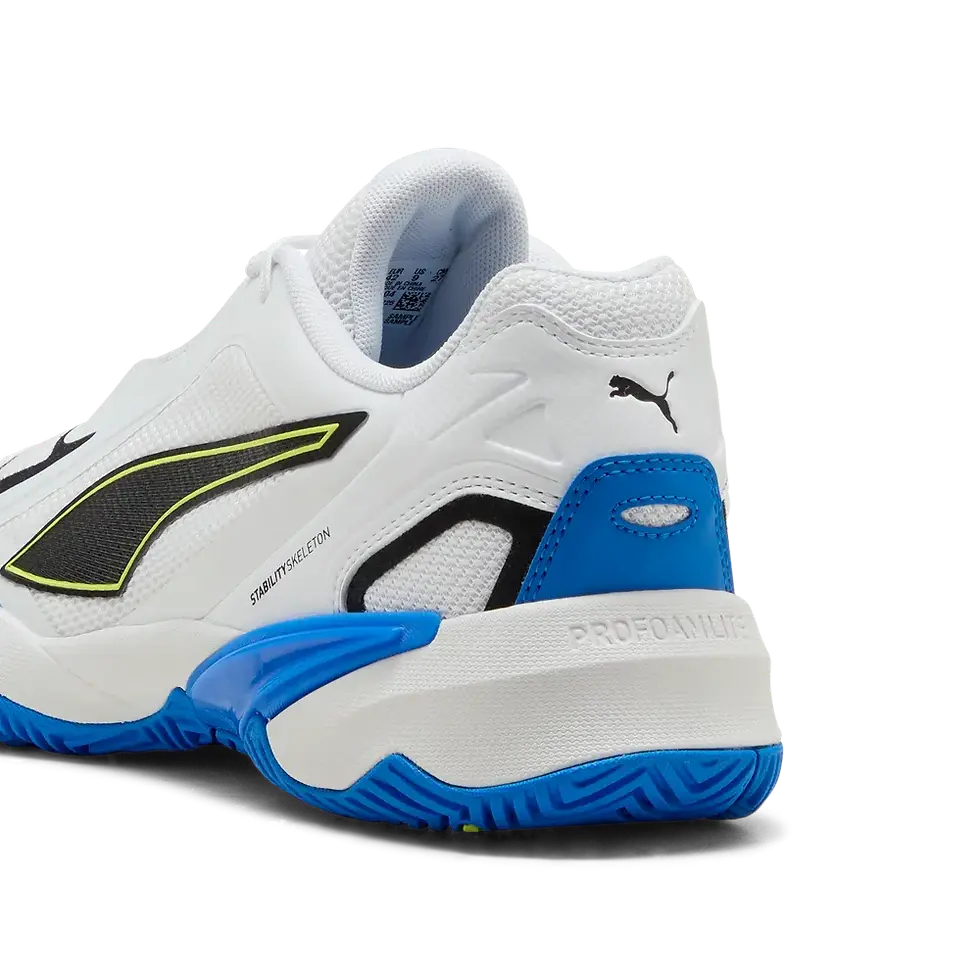
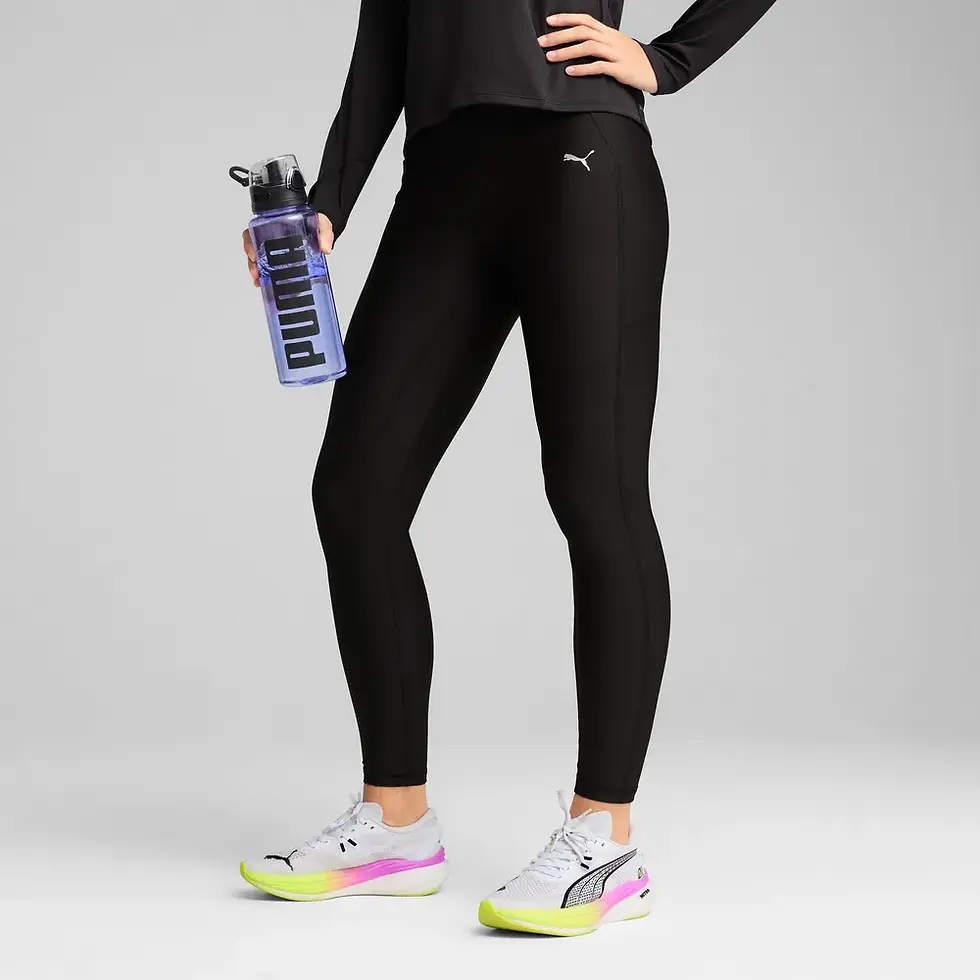
There are two kinds of gym bags: the one with exactly what you need, and the one containing three old receipts, a mystery sock and a shaker you are afraid to open. The goal is the first one. The essentials Training shoes that suit the session. Clean training clothes. Socks — keep a spare pair in the bag. A water bottle. A towel if your gym requires one. The useful extras Headphones. A small toiletry kit if you train before or during work. A change of clothing. A resistance band if your programme uses one. A snack or shake if it makes the rest of your day easier. Good gym gear removes friction. That is the job. Sport-specific bits Running Add the things your route actually needs: suitable socks, sun protection, a cap or a small belt if you carry a phone and keys. HYROX Race-tested shoes, familiar socks and any gloves or grips you genuinely use in training. Race day is not the time for experiments. Padel Racket, court shoes, balls if needed and any grip accessories you actually use. Forgetting the racket is unfortunately difficult to compensate for with confidence. What can stay at home Seven supplements, three pairs of shoes for one ordinary session, an enormous bottle you hate carrying, and anything you have packed for six months without touching. The Pack Life take Keep one small emergency kit permanently packed with a shirt, shorts, socks and basic toiletries. Future-you will eventually be very grateful. If your gym bag needs a reset Build it around the sessions you actually do. Browse training gear for the basics, or the apparel range if the missing piece is clothing rather than another gadget at the bottom of the bag.
- Whey Protein vs Whey Isolate: What’s the Difference and Which Should You Buy?
Protein shopping gets confusing very quickly. One tub says isolate. Another says concentrate. One promises lean muscle. Another looks like it was designed by NASA. The useful question is much simpler: what are you actually getting per serving, and does it suit the way you eat and train? First, they are both whey protein Whey comes from milk and naturally contains all of the essential amino acids. Both concentrate and isolate can provide high-quality protein. The difference is mainly in how much processing has happened and what remains alongside the protein. Whey concentrate Concentrate usually keeps a little more carbohydrate, fat and lactose. It is often the better-value everyday choice if you tolerate dairy well and simply need help reaching your protein target. Whey isolate Isolate goes through more processing, usually leaving a higher percentage of protein with less fat, carbohydrate and lactose. That can make sense if you are watching calories closely or if lower lactose suits you better. Isolate is not automatically 'better'. It is simply a different version of the same useful tool. Will isolate build more muscle? Not because the word isolate is printed on the front. Muscle gain still comes down to resistance training, enough total protein, enough food for your goal, recovery and time. If two people hit an appropriate daily protein intake and train well, the one using the more expensive tub does not automatically win. How we would choose Choose concentrate if value and convenience are your main priorities. Consider isolate if you want lower lactose or a leaner macro profile. Compare protein per serving and servings per tub. Ignore front-label hype until you have read the nutrition panel. The Pack Life take Buy the protein that fits your real life. If a shake makes it easier to stay consistent, that is already doing its job. You do not need the fanciest tub in the room. You need something you enjoy, tolerate and can keep using without resenting the price. If you’re standing in front of two tubs Use the principles above, then browse the current protein and supplement range. A useful real-world comparison point is MuscleTech Iso Whey - 907g — compare protein per serving, ingredients and price per serving rather than just the front label.